

You stand in your bathroom, a space that’s meant to be a sanctuary, a place of calm and routine. But something feels… off. Perhaps it’s a vanity that’s too bulky, overwhelming the modest footprint, or conversely, one that’s tragically undersized, leaving precious counter space feeling barren and utilitarian. The truth is, the bathroom vanity is far more than just a place to stash toiletries; it’s the anchor of your bathroom’s design, a crucial element dictating both its aesthetic and its functionality. For those embarking on a renovation or a refresh, understanding how to choose the right bathroom vanity for your space is a critical first step, and it’s a decision that warrants a far deeper dive than a quick browse through a catalog.
This isn’t about picking the prettiest facade; it’s about a strategic integration of form, function, and the unique demands of your daily life. We’re going beyond the superficial to dissect the elements that truly make a bathroom vanity sing, transforming a mere piece of furniture into the heart of a well-orchestrated bathroom.
The Unseen Architecture: Measuring Your Space with Precision
Before you even glance at a single style, the most fundamental aspect of how to choose the right bathroom vanity for your space hinges on meticulous measurement. This isn’t just about the width; it’s about understanding the flow, the clearances, and the overall spatial dynamics.
Width is King, but Not the Only Monarch: While vanity width is the most obvious dimension, don’t stop there. Measure the wall space from corner to corner. If you’re replacing an existing vanity, measure its footprint. Consider the door swings of your bathroom door and any other adjacent doors. You don’t want a stunning vanity that impedes access.
Depth Dictates Functionality: Standard vanity depths often range from 18 to 21 inches, but deeper vanities (up to 24 inches or more) can offer significantly more counter space and storage, particularly beneficial in larger bathrooms or for those who appreciate ample room for toiletries and decor. However, a deeper vanity will encroach further into the room, impacting traffic flow.
Height Matters for Ergonomics and Aesthetics: The standard vanity height has risen over the years, with 34-36 inches being common for comfortable counter-level use. Taller vanities can feel more substantial and luxurious, but consider the scale of your bathroom and the height of other fixtures. An excessively tall vanity in a small bathroom can feel imposing.
It’s also wise to note the placement of plumbing rough-ins. While these can be moved, doing so adds expense and complexity. Ideally, your chosen vanity will align with your existing plumbing.
Unpacking Storage Needs: Beyond the Basics
The allure of a beautiful vanity can often overshadow a crucial consideration: its internal architecture. How to choose the right bathroom vanity for your space is inextricably linked to what you need to store.
The Drawer Dilemma vs. Cabinetry: Vanities with drawers offer superior organization for smaller items like makeup, hair accessories, and personal care products. Drawers allow for easy access and visibility, preventing that dreaded “black hole” effect common in deep cabinets. However, vanities with cabinets often provide more flexibility for storing larger items like cleaning supplies, extra towels, or bulkier toiletries.
Open Shelving for Display or Accessibility: Some vanities feature open shelving, which can be excellent for displaying decorative items or for frequently used essentials that you want within easy reach. In smaller bathrooms, an open vanity can create a sense of airiness and prevent the space from feeling visually cramped.
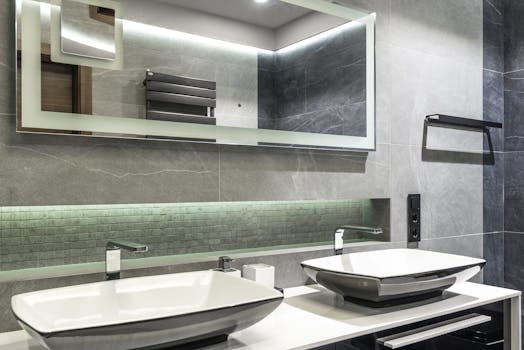
The Rise of Double Vanities: For master bathrooms or larger family bathrooms, a double vanity is often a practical choice. It doubles your counter space and storage, significantly reducing morning congestion. However, ensure your bathroom is large enough to accommodate the considerable footprint of a double vanity without making the room feel cramped.
Consider your current clutter and anticipate future needs. Do you have a vast makeup collection, or are you a minimalist? The answer will guide your storage decisions.
Material Matters: Durability, Aesthetics, and Maintenance
The materials used in your vanity’s construction profoundly influence its look, feel, durability, and how much upkeep it will require. When considering how to choose the right bathroom vanity for your space, this is where aesthetic vision meets practical reality.
Solid Wood: The Classic Choice: Solid wood vanities, often crafted from oak, maple, or cherry, offer timeless beauty and exceptional durability. They are resistant to moisture and wear, and can be refinished if needed. However, they are generally the most expensive option.
Engineered Wood (MDF/Particleboard with Veneer/Laminate): The Budget-Friendly Compromise: These options are significantly more affordable and can mimic the look of solid wood beautifully. High-quality veneers or laminates can be surprisingly durable and water-resistant. However, they are generally less resistant to severe moisture exposure and can be more susceptible to chipping or peeling over time compared to solid wood.
Metal and Glass: Modern and Sleek: For a contemporary aesthetic, vanities with metal frames (like brushed nickel or chrome) and glass tops or doors are popular. They offer a light, airy feel but can be prone to water spots and require regular cleaning to maintain their shine.
Don’t forget the countertop material. Granite, quartz, marble, and solid surface materials all have distinct pros and cons regarding durability, stain resistance, and maintenance. Quartz, for instance, is non-porous and highly resistant to stains and scratches, making it an excellent, low-maintenance choice for busy bathrooms.
Style Synergy: Harmonizing with Your Bathroom’s Vibe
The vanity should be a harmonious extension of your bathroom’s overall design. How to choose the right bathroom vanity for your space also involves understanding your desired aesthetic.
Traditional Elegance: Think detailed mouldings, raised panels, and rich wood finishes. These vanities often feature ornate hardware and can lend a sense of timeless sophistication.
Modern Minimalism: Clean lines, flat fronts, and a focus on functionality define modern vanities. Materials like sleek laminates, glass, and metal are common, often in neutral color palettes.
Farmhouse Charm: Shaker-style doors, distressed finishes, and brushed metal hardware evoke a rustic, inviting feel. Open shelving or beadboard accents can further enhance this look.
Transitional Versatility: This style bridges traditional and modern elements, offering a balanced and adaptable aesthetic. It often features simpler lines than traditional styles but incorporates subtle detailing for visual interest.
Consider the existing architecture and fixtures in your bathroom. Are your tiles classic subway, or are they bold and contemporary? Your vanity should complement, not clash with, these elements.
The Sink Situation: Integrated vs. Undermount vs. Vessel
The type of sink you choose for your vanity is another crucial decision that impacts both aesthetics and practicality.
Integrated Sinks: These are molded directly into the countertop, creating a seamless, easy-to-clean surface. They are often found in laminate or solid surface countertops.
Undermount Sinks: Popular with stone or quartz countertops, undermount sinks are installed from beneath, offering a clean look and making counter cleanup effortless.
Drop-in (Top-Mount) Sinks: These are the most common and generally the most budget-friendly. The sink rim rests on top of the countertop, creating a slight lip.
Vessel Sinks: These sit on top of the countertop, resembling a bowl. They make a strong design statement but can be less practical for everyday use, potentially splashing more water onto the counter.
When selecting a sink, consider its depth and basin size. A deeper sink is better for tasks like washing hands or filling small containers, while a wider basin offers more usable space.
Final Thoughts: A Well-Chosen Vanity Elevates Your Entire Bathroom
Ultimately, how to choose the right bathroom vanity for your space* is a multi-faceted decision that requires careful consideration of your spatial constraints, storage needs, material preferences, and stylistic aspirations. It’s a process of thoughtful integration, ensuring that the piece you select not only looks the part but also performs flawlessly day after day. By approaching this decision with a discerning eye for detail and a clear understanding of your personal requirements, you can select a vanity that becomes a source of daily satisfaction, transforming your bathroom into a more functional, beautiful, and cohesive sanctuary. Don’t rush this crucial element; invest the time, and the reward will be a bathroom that truly serves you.