
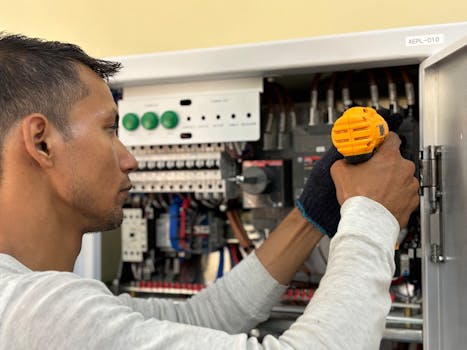

Ever feel like your home’s electrical system is just… tired? You know, the kind where flickering lights are a regular occurrence, the outlets seem to mysteriously give out, or you’re constantly rearranging plugs to avoid tripping breakers? If any of that sounds familiar, it might be time to consider an upgrade. But let’s be honest, the thought of messing with electricity can be a little daunting, right? It’s not like choosing a new paint color! That’s precisely why diving into tips for upgrading your home’s electrical system safely is so crucial. A modern, robust electrical system isn’t just about convenience; it’s fundamentally about keeping your home and loved ones secure from potential hazards.
Why Now is the Time to Rethink Your Wiring
Think of your home’s electrical system as its circulatory system. When it’s healthy, everything runs smoothly. But as homes age, and our demands on electricity grow exponentially (hello, smart home gadgets, bigger TVs, and extra kitchen appliances!), that old system can start to strain. Old wiring might not be designed to handle the load we’re putting on it today. This can lead to overheating, which is a serious fire hazard. So, before you add another energy-hungry device, or if you’re experiencing persistent electrical issues, it’s a clear sign that a professional evaluation is in order.
The Golden Rules: Before You Even Touch a Wire
This is where we get down to the nitty-gritty of staying safe. My absolute top priority, and what I always stress to friends and family, is this: never, ever attempt electrical work if you’re not a qualified professional. It’s tempting to save a buck, I get it. But when it comes to electricity, the stakes are just too high.
Hire a Licensed Electrician: This isn’t just a suggestion; it’s a non-negotiable rule for safe upgrades. A licensed electrician has the training, knowledge, and experience to understand complex wiring, local codes, and potential pitfalls. They know how to properly assess your needs, plan the upgrade, and execute it without compromising safety.
Understand Your Needs: Before you even call an electrician, think about what you want to achieve. Are you adding more outlets? Upgrading your main panel? Planning for a future electric vehicle charger? Having a clear idea helps your electrician provide an accurate quote and a tailored solution.
Get Multiple Quotes: Just like any major home improvement, it’s wise to get estimates from at least three different licensed electricians. This helps you compare pricing, understand different approaches, and gauge their professionalism and communication style.
Decoding Your Electrical Panel: The Brain of Your Home
Your electrical panel, often called the breaker box or fuse box, is the central hub for your home’s electricity. If it’s outdated or undersized, it’s a major bottleneck and a potential safety concern.
#### When is it Time for a Panel Upgrade?
Several signs point to a panel that needs attention:
Frequent Breaker Trips: If you’re constantly flipping breakers back on, your panel is likely overloaded.
Old Fuse Box: Fuse boxes are a clear indicator of an older system that might not meet modern safety standards or capacity needs.
Visible Rust or Damage: Any corrosion or physical damage to the panel itself is a red flag.
Signs of Overheating: Discolored outlets, warm switch plates, or a burning smell near the panel are serious warning signs.
Planning Major Renovations or Appliances: Adding significant new loads, like a hot tub, a new HVAC system, or a major kitchen overhaul, will almost certainly require a panel upgrade.
#### What Does a Panel Upgrade Involve?
Upgrading your electrical panel typically involves replacing the old box with a new one that has more capacity and modern circuit breakers. It’s a complex job that requires shutting off power to your entire home and must be performed by a qualified electrician. This is a prime example of where understanding tips for upgrading your home’s electrical system safely truly comes into play, as it’s a foundational element.
Beyond the Panel: Essential Safety Considerations for Your Upgrade
An electrical upgrade isn’t just about the main panel. There are numerous other aspects to consider for a comprehensive and safe improvement.
#### Outlet and Switch Modernization
Are your outlets the old two-prong kind? Or do some of them feel loose? Upgrading to modern, grounded three-prong outlets is a significant safety improvement, allowing you to safely plug in all your modern appliances. Also, consider adding GFCI (Ground Fault Circuit Interrupter) outlets in areas prone to moisture, like kitchens, bathrooms, and outdoor spaces. These are designed to shut off power quickly if they detect a fault, preventing electrocution. Tamper-resistant receptacles (TRRs) are also a fantastic addition if you have young children, as they prevent little fingers from inserting objects into the slots.
#### Wiring Capacity and Age
Older homes might have wiring that’s simply not designed for today’s electrical demands. Aluminum wiring, common in homes built between the mid-1960s and early 1970s, can be a fire hazard if not properly maintained and connected. An electrician can assess the type and condition of your wiring and recommend necessary upgrades or repairs to ensure it can safely handle the load. This is a critical component of tips for upgrading your home’s electrical system safely that many homeowners overlook.
#### Smart Home Integration and Future-Proofing
While not strictly a safety necessity in the same vein as preventing fires, incorporating smart home technology can actually enhance safety. Smart breakers, for instance, can alert you to electrical issues remotely. Planning for future needs, like the increasing prevalence of electric vehicles, by ensuring adequate amperage and potentially pre-wiring charging stations, is also a smart move that contributes to long-term safety and value.
Navigating the Process: What to Expect
Once you’ve decided to move forward, clear communication and preparation are key.
- The Initial Consultation: This is where your electrician will assess your current system, discuss your needs and budget, and identify any immediate safety concerns.
- The Plan and Quote: You’ll receive a detailed proposal outlining the scope of work, materials, timeline, and cost. Don’t hesitate to ask questions until you fully understand everything.
- Permits and Inspections: Reputable electricians will handle obtaining the necessary permits from your local building department. This is crucial because it ensures the work meets code and will be inspected by a qualified official, providing an extra layer of safety assurance.
- The Workday: Expect some disruption. Power will likely need to be shut off for periods, so plan accordingly by unplugging sensitive electronics and having flashlights ready.
- The Final Inspection: After the work is complete, an inspector will verify that everything has been done correctly and to code.
Wrapping Up: Empowering Your Home with Confidence
Upgrading your home’s electrical system might seem like a big undertaking, but by focusing on these tips for upgrading your home’s electrical system safely, you’re investing in the long-term security and functionality of your most important asset. The most impactful takeaway? Don’t try to DIY electrical work. Partner with a licensed professional who can guide you through the process, ensuring every connection is sound and every circuit is up to par. A safe, reliable electrical system isn’t just about avoiding problems; it’s about enjoying your home with peace of mind.